


The Federal Government intends to negotiate an upper limit of N1,350 per litre for fuel price, as a measure designed to protect pump prices from changes in global crude oil prices and exchange rates.
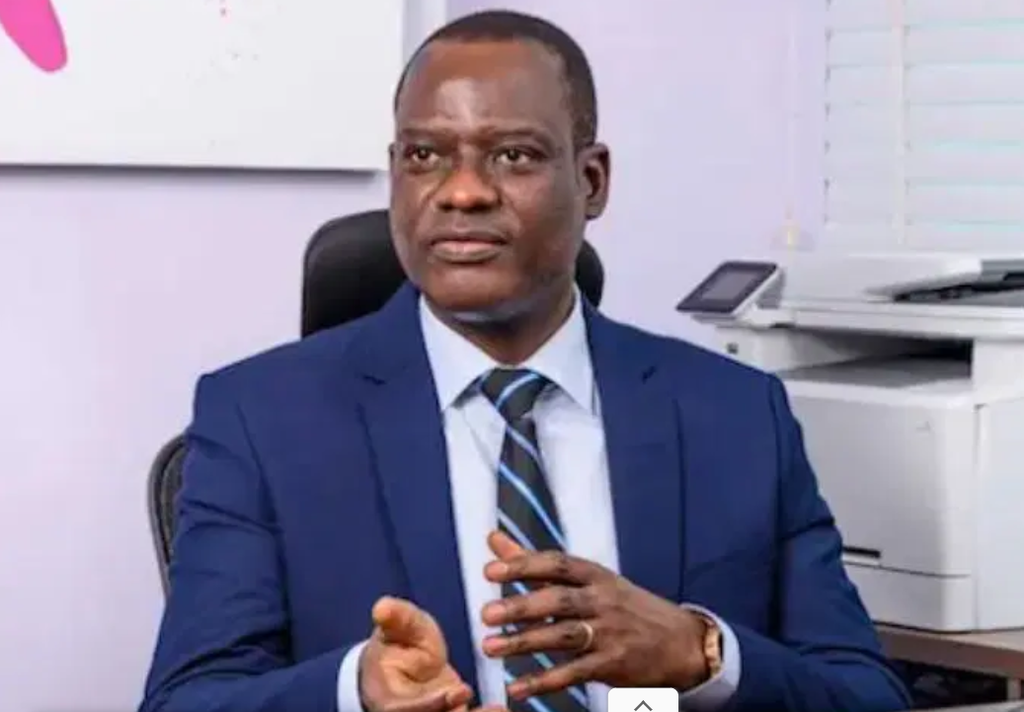
Taiwo Oyedele, who is the Minister of Finance and also the Coordinating Minister of the Economy, gave this information on Thursday in Abuja during a press conference on fuel price and questions relating to federal Government subsidies removal.
Yet Oyedele admitted that the measures the government is suggesting would not entirely alleviate the burden on households.
He then described the proposed measures, among them the cap of N1,350 on the former gantry or landing cost of petrol, which he stated was intended to reduce volatility in pump prices.
He stated that price modulation is being introduced and that petrol pump prices should not be required to react to every fluctuation in global crude oil prices or the exchange rate. The government is negotiating a ceiling of N1,350 per litre for fuel price in order to keep the pump prices stable.
He said that if the actual cost goes above the ceiling, refiners and importers would have to cover the difference and make up for it later when crude oil prices or exchange rates become favourable, without breaching the ceiling.
“As neither a subsidy nor a price control,” Oyedele said, “it is intended to even out prices over time rather than suppressing them.”
He stated that the aim was to avoid large fluctuations in pump prices, explaining that “the reason is simple: having prices at N1,400 a litre today and tomorrow is better than having them at N1,500 today and N1,300 tomorrow since volatility itself increases uncertainty and causes prices to rise sharply; they never fall as quickly.”
Oyedele stated that the ceiling would be looked at on a monthly basis, with alterations made if needed and the figures made public for transparency.
He also said NNPC Limited would offer a 30-day discount on petrol, with preference given to public transport operators nationwide, while stressing that the measure was not a subsidy.
He stated that, as a first step, a discount would be given on the petrol sold by NNPC Limited over the next 30 days with priority being given to public transport operators throughout the country, and that it was not a subsidy since the federal government was saying that it was selling the petrol to them at cost.
The minister stated that the government was also carrying out forward sales of crude oil to domestic refiners, pointing out that the increase in production would help protect pump prices from fluctuations in the international market.
We are cooperating with the various states throughout the federation under the new tax laws, and he added that we are bringing the taxes and levies that inflate fuel and logistics costs under control.
Oyedele said the government was also increasing funds allocated to cash payments for vulnerable households and providing subsidies on credit for small businesses and consumers, as well as working with state governments to speed up the rollout of compressed natural gas.
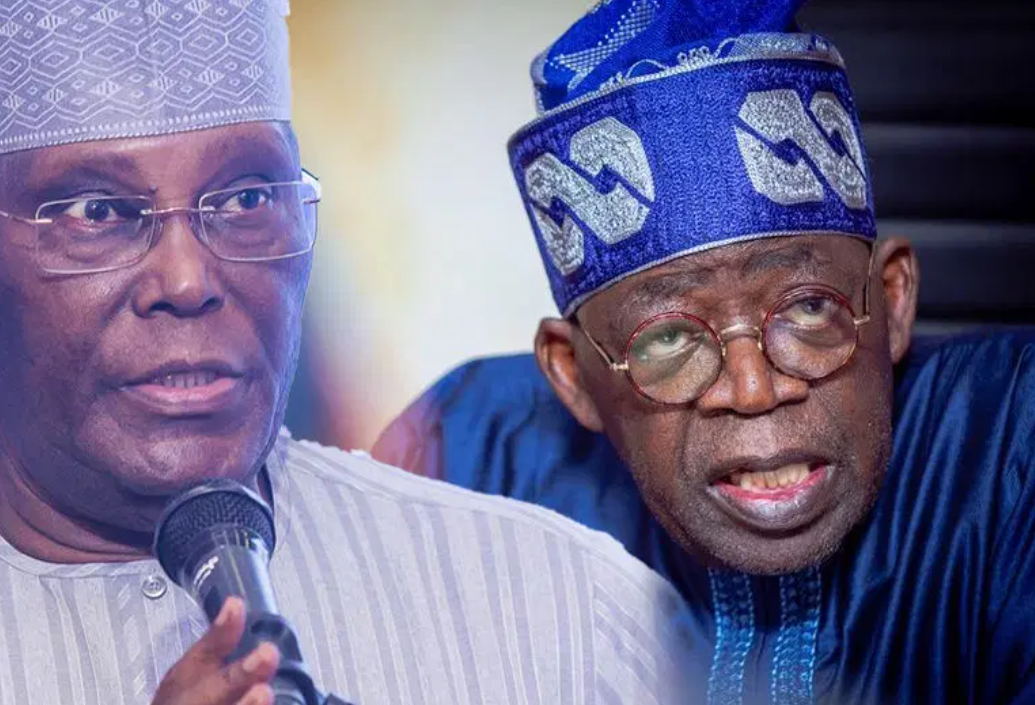
The new measures are being introduced at a time when there is a fresh political discussion about fuel subsidies, since the presidential candidate of the African Democratic Congress, Atiku Abubakar, and the presidential candidate of the Nigeria Democratic Congress, Peter Obi, have promised to bring back the subsidies if they are elected in 2027.


Leave a Reply