


Urhobo proverbs and customs still shape Nigerian life in ways many people do not realise.
Here are 10 important facts every Nigerian should know.
- The Urhobo people are native to Delta State, particularly in the areas of Ughelli, Sapele, Abraka and Warri, and have close ties to rivers and wetlands, which influence their farming, fishing, and trading activities.
- Urhobo are one of Nigeria’s major ethnic groups, numbering over two million and ranking among the largest in southern Nigeria, making a significant contribution to the country’s cultural diversity.
- The Urhobo language is part of the Edoid branch within the Niger-Congo family and includes proverbs, praise names and oral history; it remains at the heart of personal identity even though English and Pidgin are dominant.
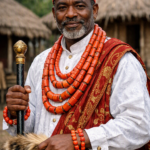
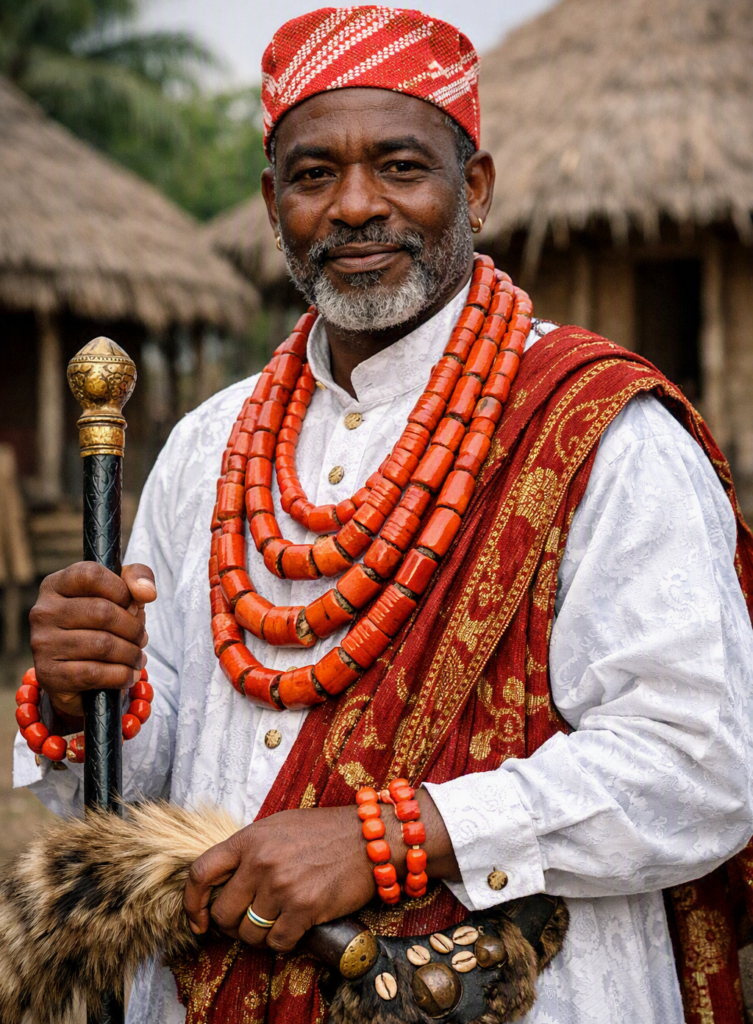
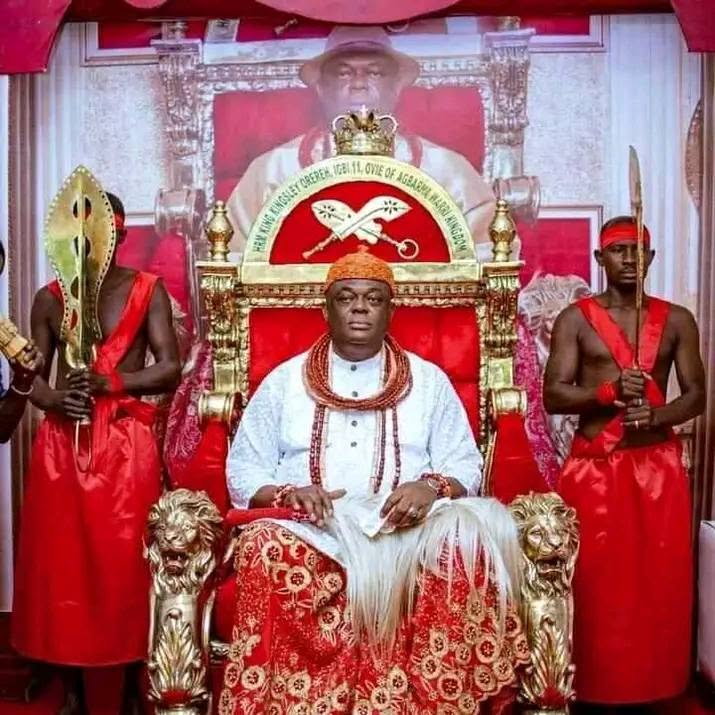
- The Urhobo nation comprises more than 20 independent clans and kingdoms, each headed by rulers such as the Ovie, the Orodje, or the Okpara-Uku, and assisted by councils of elders.
- The Urhobo culture includes lively festivals with masquerades, dances, and rituals that honour the ancestors and celebrate community life, helping to keep the traditions alive.
- The Urhobo believe in Oghene (the Supreme God), but ancestral spirits and the invisible world (Erivwin) guide everyday life. The ancestors are regarded as guardians of morality and justice.
- In the 19th century, the Urhobo communities became central to the palm oil trade. They were connected to both Atlantic and local markets long before the economy was transformed by petroleum extraction.
- The main foods in the cuisine are yam, cassava, plantain, and various vegetables, prepared in special ways characteristic of the Urhobo people and distinct from those of other groups in the Niger Delta.
- Urhobo weddings and other life ceremonies stress family ties, the practice of paying a dowry, and collective celebration, strengthening the sense of social unity.
- Even in modern Nigeria, the resilience of Urhobo culture continues thanks to education, commerce, diaspora networks, and cultural associations that preserve their identity.
Which of these facts surprised you the most?


Leave a Reply