

Explore how UBEC funds exceed N140 billion and the impact on Nigeria’s education system amid ongoing funding challenges.
The Federal Government says it has accessed more than N140 billion in Universal Basic Education Commission (UBEC) grants. It has sent the funds to state governments since the current administration began.
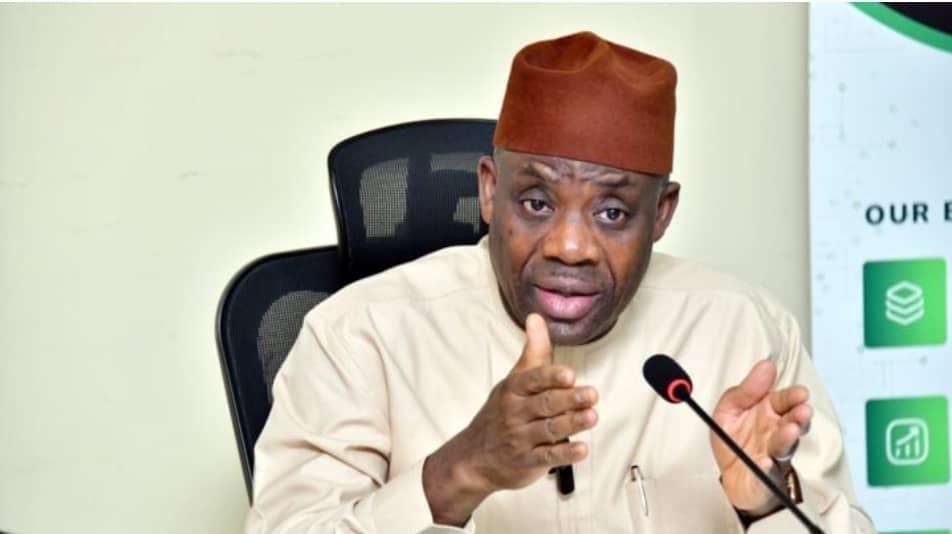
Tunji Alausa, the minister of education, spoke about this on Tuesday. He hosted a CEO breakfast in Lagos. Private-sector leaders and development partners from the Global Partnership for Education (GPE) attended to discuss funding.
UBEC, which oversees Nigeria’s basic education program, receives its funding from 2% of the Consolidated Revenue Fund.
However, much of this money is still unused because several states have not provided the matching funds needed to access the grants.
Because of this, ongoing funding shortages continue to make it hard to provide quality education in Nigeria’s public schools.
At the event, Aisha Garba, executive secretary of UBEC, said that poverty still limits learning. Poor infrastructure is another limiting factor. Additionally, gaps in teaching quality contribute to the issue, especially in rural areas.
“Poverty-driven dropouts, poor infrastructure, and gaps in teaching quality continue to limit learning, especially in rural areas,” she said
To help Nigeria reach its potential, we need to get more out-of-school children into classrooms. We also need to train teachers, improve school facilities, and use data to plan based on real needs.
Alausa said the current administration has sent over N140 billion. This amount comes from the N240 billion allocated by UBEC. However, has been sent to state governments to help close the funding gap in basic education.
Alausa also said the ministry has sent a bill to the national assembly to increase UBEC funding.
“We have a bill at the national assembly to double UBEC funding from two to four percent. This will further strengthen foundational education,” he said. Alausa also talked about the ministry’s new nationwide digital platform. It tracks students through their education to help with planning and lower dropout rates.
“For the first time in our country, every child can be tracked from primary school. This tracking continues throughout their education journey,” he added.
We know where these children are. If they drop out, we know why. We can step in to help. The initiative is a game-changer that will enable data-driven policy making and accountability.
The minister also mentioned that the government has initiated plans. These plans aim to access a $500 million global partnership fund. This fund will accelerate important education reforms.
He said the GPE aims to raise $11.5 billion to improve learning in 80 countries, giving Nigeria a chance to get another $500 million for education.